Bathrooms have a bigger role to play in every property, in addition to looking elegant and spotless. Even those decisions that one makes solely for appearance end up impacting daily comfort. This is the reason why refurbishment here needs an extra careful approach. When it comes to bathroom refurbishment services in Chelsea, complications increase further. This is mainly because properties here are very diverse in terms of design and character. Such a setup makes the area highly beautiful but creates many challenges during refurbishment.
Many owners are left confused regarding what they should approach in order to get a look that they want. An effective treatment approach needs to take into account all the factors before getting started. And this blog aims to help people approach this work the right way.
Start With the Building, Not the Bathroom Trends
First, the building should be considered rather than starting with choosing tiles, taps, or a fancy bath. The properties in Chelsea range from period townhouses to converted flats and modern apartments. Each of these building types comes with varying refurbishment requirements.
Older bathrooms have their own problems, like irregular walls, uneven floors, or even different types of plumbing routes, which create limitations in terms of what kind of new fittings can be installed.
An initial assessment is important and aims to establish the overall condition of the existing bathroom and the location of water and waste connections. This helps in determining if the proposed layouts are practical. This way, skilled professionals prevent an expensive and elegant design from becoming troublesome in the future.
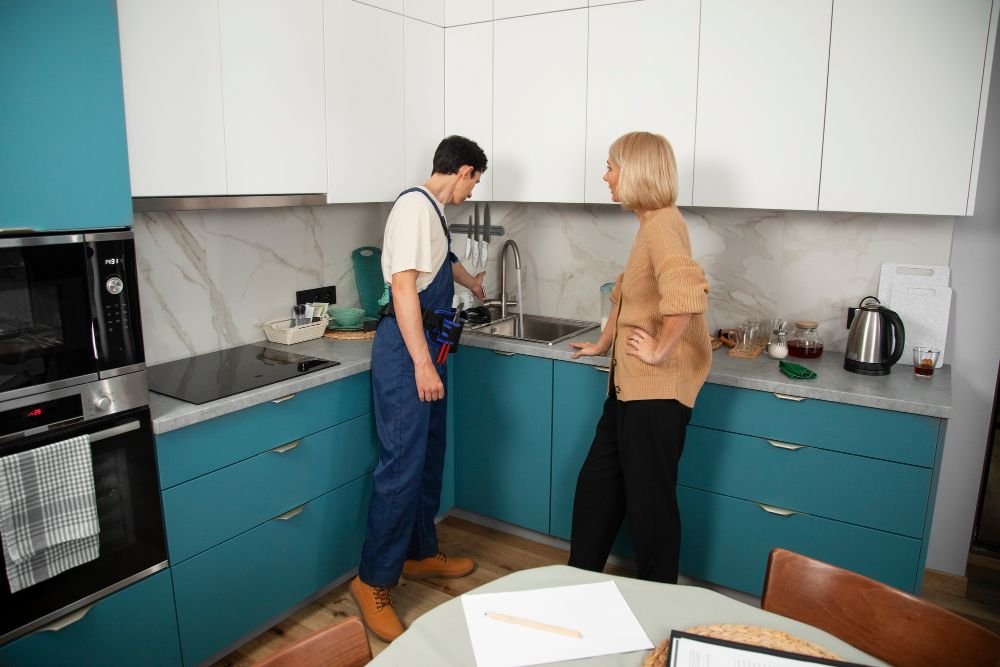
In the case of flats, extra attention is needed in order to understand restrictions related to drainage, noise, and shared building services and access for contractors.
Period Characters Should Be Preserved Without Compromising the Function
A traditional Chelsea home does not need only a historically styled bathroom. There are enough scopes to make the right modifications, but a design should be able to acknowledge the overall architecture of the property because this is what results in a cohesive look.
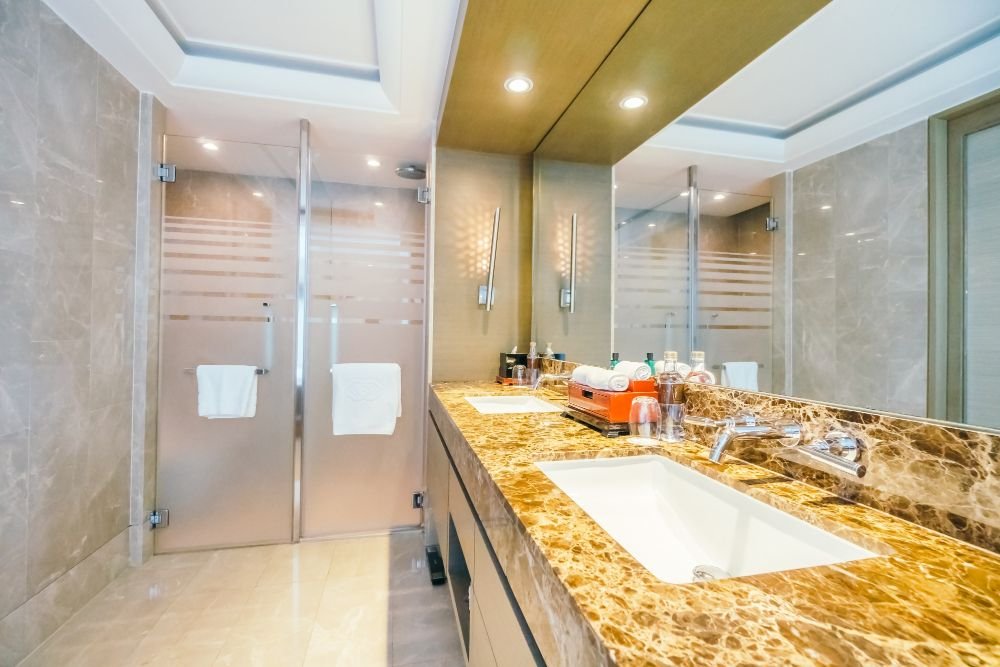
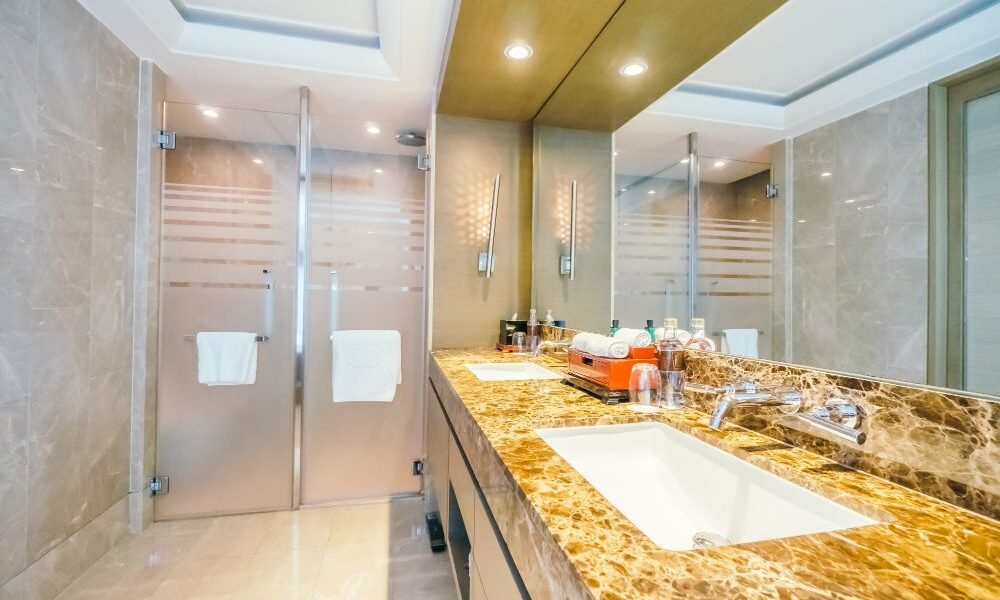
If it’s a period townhouse, understated wall panelling, natural stone or stone-effect tiles can blend well. A modern apartment, on the other hand, benefits from cleaner lines, larger-format tiles, and other minimalist fittings that are more appropriate.
The key here is to opt for a consistent design direction rather than randomly combining decorative elements without thoroughly considering how they will look together.
In some cases, the bathroom may not look as one thought of it even after making all the changes properly. Aspects like ceiling height make a huge difference in this regard. If the overall design does not consider the ceiling height, the bathroom may look crowded or disproportionate.
Think About the Layout Before Touching Plumbing
Layout is the most important aspect of any bathroom, and making the right changes here impacts the overall experience significantly. But one should not think that every fitting works the same way in creating the best results.
Some elements that are invisible, like pipe routes and drainage gradients, impact the functioning of all the visible elements like the position of the toilet, basin, shower, and bath. This is the reason why relocating the toilet is not as easy as it seems. And it may create additional challenges if the approach is not right.
On the other hand, if the same layout is retained, people may doubt the overall results of refurbishment. In short, the best layout is the one that lets people use the area more comfortably without using unnecessary fittings that may create obstruction on a daily basis.
Material Selection Should Focus On More Than Just Finish
Materials in a bathroom are exposed to repeated moisture, temperature changes, and cleaning products. The overall durability of the finished room relies on not only the visible surfaces but also on what sits beneath it.
While selecting tiles, stone, grout, sealants, and other such elements, one should keep the intended application in mind. Natural stone can provide a distinctive look, but there are some varieties that need careful maintenance and sealing. A broad range of designs is available for porcelain tiles, which are also a practical choice given the way they resist water.
Special attention is needed for flooring because a polished finish looks the best, but it can become slippery when wet. Before purchasing, one should check the suitability of these products because material selection based on appearance only is not a good idea in the long run.
Lighting and Ventilation Are a Part of the Design
Though most people overlook its importance, lighting can significantly change how a bathroom looks and feels. A single ceiling light that is misplaced can leave the mirrors poorly illuminated.
A considered approach combines lighting with the right mirror or task lighting. The appearance of different materials is complemented best with a warm or neutral colour temperature. If one wants lighting near water outlets, the installation must be in accordance with safety requirements.
Ventilation is another important aspect. Moisture is produced by showers, which can condense on cold surfaces. This may contribute to mould growth, and it can also damage paint, sealants, or other finishes. In order to effectively remove humid air, a proper extractor fan with a discharge route and controls is needed.
Creating a Bathroom That Belongs in Your Home
Row London Construction is here to offer excellent bathroom refurbishment services in Chelsea. The team works based on the character of the property, functional requirements, and available space. Get in touch today to start the discussion regarding the plans, and the team will figure out how to achieve the desired results.