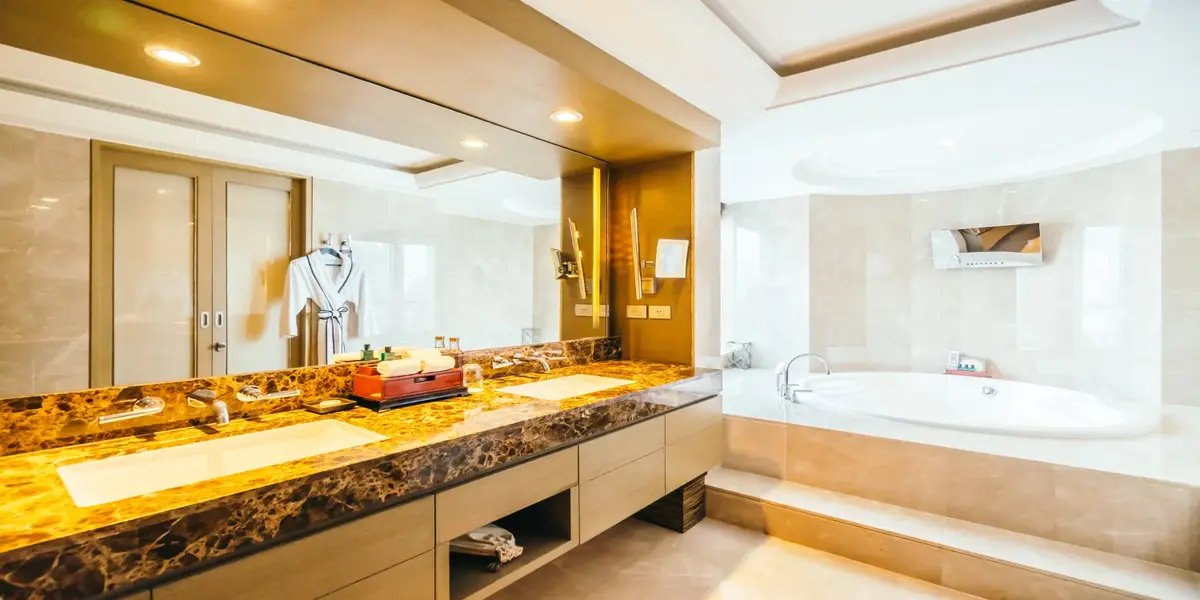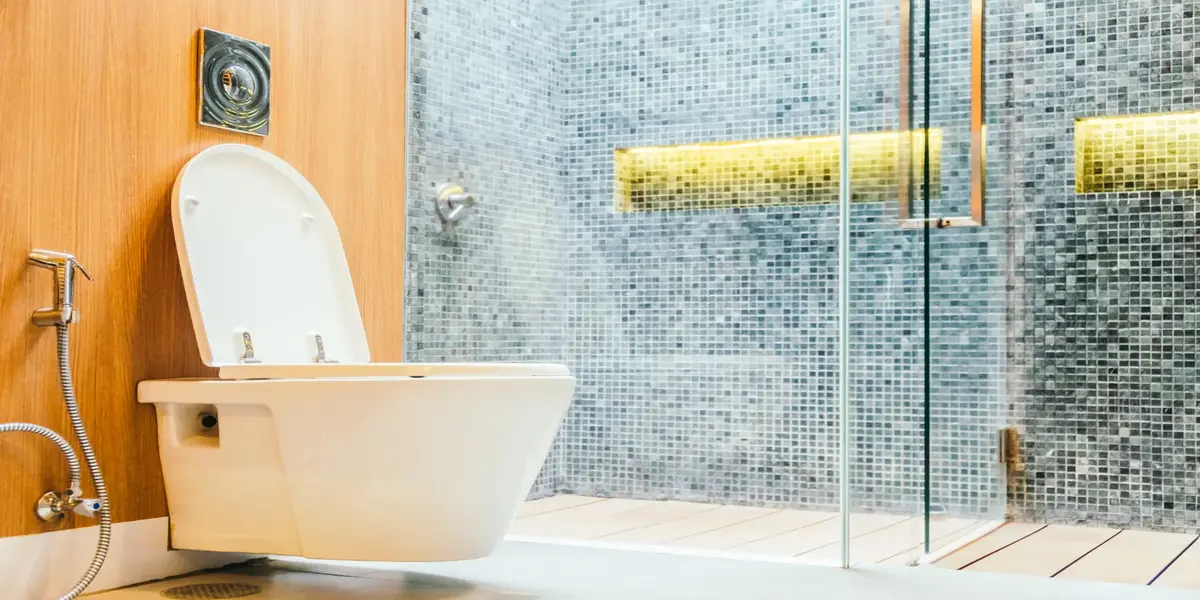

The appeal of London’s historic housing stock is undeniable. The overall architecture of this city looks so coveted, in which the character-rich brickworks of Edwardian and Victorian properties, intricate cornicing, and soaring ceilings contribute a lot. Every aspect of these properties looks appealing, but one collides with a harsh reality when they step into one of the bathrooms of these historic buildings to install a sleek, wet room oasis or a high-quality freestanding bath. Facing such challenges is obvious because Victorian homes were not designed with modern luxury in mind. In such homes, indoor plumbing was either an afterthought or tacked onto the back of the property as a cold and rear extension. With changing demands from the modern lifestyle, a high-end remodelling of the property not only requires choosing modern tiles and brassware but also precisely executing the complex structural and mechanical upgrades. This is exactly where the new bathroom refurbishment services in London come into play. Here is a quick and effective look at what it takes to bridge the gap between a traditional structure and modern facilities.
The Low-Pressure Paradox: Solving the Gravity Problem
This is the biggest shock that most enthusiasts face. After renovating their bathrooms, they discover that the newly-installed rainfall shower head produces just a little more than a gravity-fed tickle. Conventional London plumbing relied heavily on gravity-fed systems and featured a cold-water storage tank that was tucked away in the loft and a hot water cylinder right in the airing cupboard. It is a unique setup that might look pretty ineffective right now, but it was adequate in meeting all the expectations for a standard bath during the 19th century.
A proper refurbishment strategy right now that aims at delivering a hotel-standard water pressure needs to take into account the mechanical core. This process requires unvented hot water cylinders by utilising mains water pressure directly to deliver high-flow hot water to different bathrooms at the same time. For those whose mains pressure is coming from a London street, which is usually weak, smart contractors integrate a water-accumulator tank along with a high-performance pump system that is tucked invisibly into a service cavity.
Timber Joists and the Weight of Luxury
Heavy materials are pretty common in modern bathrooms, with freestanding cast iron, large-format porcelain tiles, thick cement backing boards, wet-room floors, and stone-composite baths becoming highly popular.
In Victorian properties, the floor construction relied on softwood timber joists that were especially designed to support the weight of lightweight floorboards with nominal furniture. The ideal way is to perform a structural assessment before laying even a single tile, which makes the process of achieving a pristine finish more important. The modern bathroom refurbishment services utilise:
Joist Sistering: Here, new and structural timber or steel channels are bolted directly alongside the original joists, which ends up stiffening the floor and eliminating the vertical deflection.
Deflection Minimization: The expensive grout lines start to crack, tiles pop, and underlying waterproofing seals start to tear when the floor flexes by even a millimeter.
Levelling Compounds: Many latex-based screeds are available right now that can be utilised to create an ideally flat and level canvas for large-format tiles that avoids overloading the timber structure below.
The Geometry of Out-of-Square Walls
One ends up realising that the 90-degree angle is entirely theoretical when they take the spirit level to the walls of a traditional Victorian home. Even though most of these homes were built perfectly, centuries of settling make the walls bow, lean, and taper over time.
Expert bathroom refurbishment services use small subway tiles and thick grout lines to easily camouflage all the persisting imperfections. But there is one additional demand, i.e., the modern luxury bathroom designs lean significantly towards crisp and clean lines along with minimalist frameless glass enclosures, large-format book-matched marble or porcelain sheets, and linear drainage channels. This is the reason why every flaw of the walls needs to be addressed because even the slightest imperfections can leave an awkward and wedge-shaped tile cut in the corner.
Technicians of the modern refurbishment projects bypass such underlying issues very effectively by using structural straight-lining. They strip the entire room down to its bare brick or studs and construct a new, perfectly square time or even a metal stud framework. This move might end up sacrificing a few centimeters of space, but it ensures that the walls are perfectly vertical and the floors are square. As a result, the premium tiling aligns with mathematical precision.
The Hidden Enemy: Latent Damp and Vapor Control
The houses of the Victorian era were built to breathe, which is why they used mortars, soft bricks, and single-glazed windows to allow consistent passive airflow throughout the building.
Introducing a modern and high-end bathroom with features like steam showers, underfloor heating, and heavy insulation, a localised humidity and internal pressure are created. Many people ignore it only to regret it in the future when the moisture is not controlled strictly. In case the moisture migrates through the wall, it condenses against the cold external brickwork and ends up triggering a devastating dry and toxic mold growth hidden beneath the beautiful walls.
An absolute decoupling and waterproofing is needed for modern wet zones. Doing this requires the complete replacement of standard plasterboard with heavy-duty and cement-based backing boards that don’t break when exposed to moisture. In addition, the wet area should be wrapped in a continuous layer and painted on. Last but not least, the room needs to be paired with an active and continuous mechanical ventilation system that can seamlessly whisk moisture out of the building before it has time to settle.
The Concluding Blueprint
Current bathroom refurbishment services in London know how to merge Victorian architecture with the latest luxury by looking beneath the surface. Their way of working beats all other methods because they work on hidden infrastructure like structural reinforcements, straight studwork, and unvented plumbing. This is the best way to ensure that the new bathroom not only meets the modern expectations but also works the best in the long run, as demanded by any high-value property in London.
Still thinking of getting this done, Row London Construction is here to give your bathroom a perfect transformation.
Transform your bathroom with our expert refurbishment services in Chelsea, Regents Park Road, and Camden Town. From outdated spaces to stunning modern retreats, we combine premium craftsmanship, stylish designs, and attention to detail to create bathrooms you’ll love for years to come.